
Wisdom Tooth Extractions Stone Mountain
Removing Unnecessary
Teeth for Your Good

Are you struggling with chronic jaw pain? If you haven’t had your wisdom teeth removed yet, there’s a good chance that they are the culprit. The best thing to do is to schedule an appointment with our team at Rausch Family Dentistry. That way, our dental experts can determine if you’d benefit from this procedure and, if that’s the case, begin working on your custom treatment plan. In the meantime, you can read on to learn more on the topic, including what you can expect during the recovery process.
Why Choose Rausch Family Dentistry for Wisdom Tooth Extractions?
- Digital Imaging for Enhanced Precision Planning
- Our Team Will Happily File Any Insurance Claims
- Nitrous Oxide & Oral Conscious Sedation Available
What Are Wisdom Teeth?
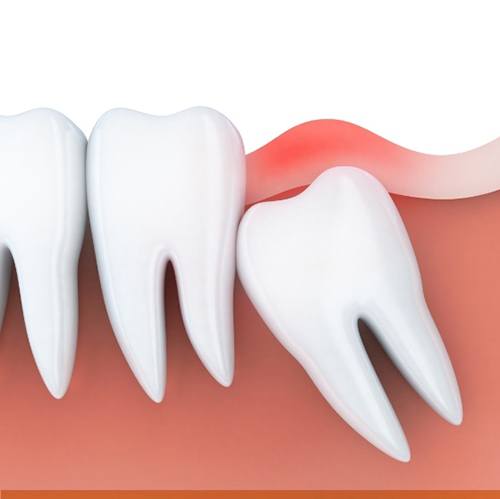
Simply put, wisdom teeth are the third set of molars. It’s believed that they earned this nickname due to when they erupt. While the first and second molars emerge in childhood, the third set usually makes an appearance in the late teens or early twenties. Since wisdom comes with age, they were deemed “wisdom teeth.”
Why Do Wisdom Teeth Need to Be Removed?

Not all patients require wisdom tooth extraction, as their teeth may fully erupt with no complications. If there isn’t enough room in the mouth for the third set of molars to emerge or their presence increases the risk of cysts developing, then that’s a different story. Unfortunately, this is usually the case for patients between the ages of 16 and 25, which is why this emergency dental treatment is viewed as a rite of passage.
What to Expect from the Wisdom Teeth Procedure
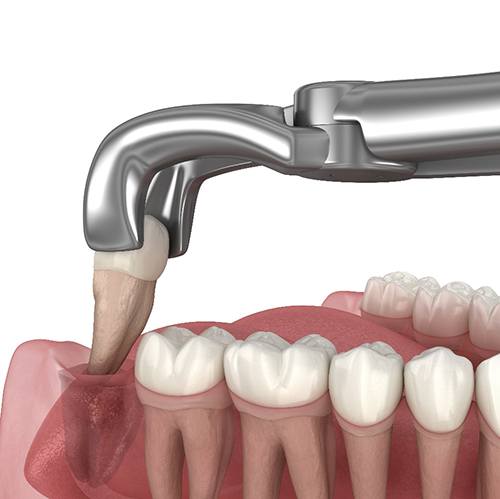
There are two different types of wisdom tooth removal: simple and surgical. The only way to know which one you will need is to allow one of our dentists to perform a thorough examination. Once we determine if your wisdom teeth have partially erupted or are impacted, we will determine which method to use.
For simple extractions, our team will use a dental elevator and dental forceps to remove each tooth. Once it is lifted from its socket, the tooth will be moved back and forth until it releases from the ligaments. For surgical extractions, we will need to make a small opening in the gums so that the impacted tooth is exposed. Careful to avoid much of the bone, we will separate the tooth into pieces and carefully extract each one.
Recovering from Wisdom Teeth Extraction

Following the procedure, it’s important to:
- Take prescribed or OTC pain medication as directed
- Use a cold compress for towel-wrapped icepack for 10 minutes at a time
- Stick to extremely soft foods, like plain yogurt and applesauce
- Drink plenty of water (without using a straw)
- Not smoking, spitting, or exercising
If you have any questions for our team about wisdom tooth extractions, including how to prepare for the procedure, take the next step: schedule an appointment with us!
Wisdom Tooth Extractions FAQs
How soon can I eat after wisdom teeth removal?
We recommend waiting at least an hour or two. Not only will this allow the gauze pads to stay in place and slow down the healing, but it will also allow the numbing agent to wear off. This is important because, if you don’t have full sensation in your mouth, you may accidentally bite down on your tongue, lips, or the insides of your cheeks.
It’s also important that we mention here that you need to stick to a liquid diet (without using a straw) for the first 24 hours. After that, you can begin incorporating soft foods into your diet, like plain yogurt, applesauce, and cottage cheese. Within a week, you should be back to eating all of your favorite foods again.
Why are wisdom teeth called that?
Since wisdom teeth can lead to everything from chronic jaw pain to problematic cysts, you might be wondering how they earned their nickname. Truthfully, the exact reason is unknown! The prevailing theory is that it is due to when they emerge. While the first and second molars make an appearance in childhood, the third set usually arrives in the late teens or early twenties. Since wisdom comes with age, they were deemed “wisdom teeth.”
Are wisdom tooth extractions covered by insurance?
Most wisdom tooth extractions are considered medically necessary, so the answer is usually “yes.” However, the only way to know for certain is by taking a look at the fine print on your plan. If you need any help understanding your benefits, you’re more than welcome to provide us with your membership information, too! From there, we can take a look at your coverage, give you an estimate of your out-of-pocket expenses, and file the necessary paperwork.
Tip: Don’t have dental insurance? Consider exploring the other financial solutions that are available at our office, like flexible financing! With CareCredit, you can break up the total cost of your wisdom tooth extraction into smaller, more manageable chunks over the course of several months.
How should I prepare for my wisdom tooth extraction?
There are a few steps we recommend taking, starting with sharing any questions you have with your emergency dentist in Stone Mountain. That way, they can provide answers, ease concerns, and, if needed, share helpful information. For example, if you are being sedated for the procedure, then they may recommend picking up everything you need for the recovery beforehand, fasting the morning of, and arranging for an adult that you trust to drive you to and from your appointment.
Does everyone have wisdom teeth?
No, not everyone has wisdom teeth. In fact, one article that was published in the Dental Research Journal estimated that between 5% and 37% of people are missing at least one. Since it’s believed that genetics plays a large role, you may not have a third set of molars if your parents or grandparents didn’t!